
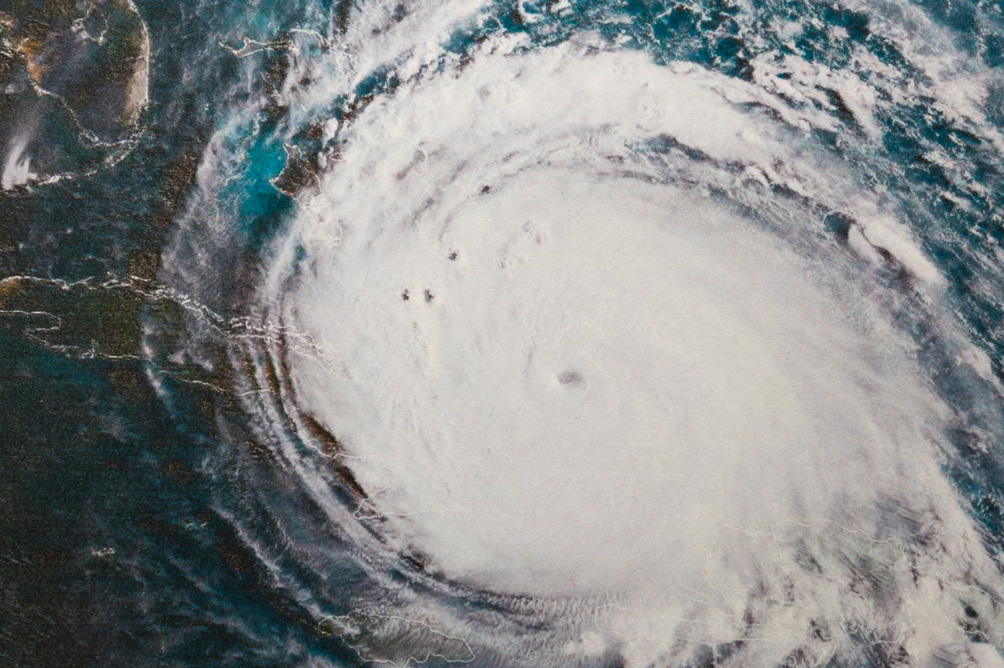
“Hurricane insurance” is not typically a single coverage type. A hurricane can cause several kinds of damage, and different insurance policies may respond differently depending on the cause of loss.
For example, a hurricane can bring:
- Wind damage to a roof, windows, siding, or fence
- Wind-driven rain entering through storm-created damage
- Flooding from rising water, heavy rainfall, drainage overflow, or storm surge
- Fallen trees or debris damaging a home
- Vehicle damage from hail, floodwater, or falling objects
The Texas Department of Insurance recommends that homeowners review their policies, create a home inventory, consider flood insurance, and check their roof and windows as part of hurricane preparation. [tdi.texas](https://www.tdi.texas.gov/blog/category/hurricanes.html)
The key point: do not assume every type of storm damage is covered simply because you have homeowners insurance. Review the policy documents or speak with your insurance agent about the coverages in place for your specific Houston-area home.
A standard Texas homeowners insurance policy may help cover certain types of wind-related property damage, subject to the policy’s terms, conditions, deductibles, limits, and exclusions.
Before hurricane season, review your declarations page and confirm:
- Your dwelling coverage limit
- Your deductible for wind and hail claims
- Whether the wind and hail deductible is a flat dollar amount or a percentage
- Your personal-property coverage limit
- Your additional living expense or loss-of-use coverage
- Coverage for other structures, such as a detached garage, shed, or fence
- Roof coverage terms and settlement provisions
- Any exclusions or endorsements that affect water, wind, or storm-related damage
A wind and hail deductible can be different from the deductible that applies to other covered property claims. Some policies use a flat dollar deductible, while others use a percentage of the home’s dwelling coverage.
For example, if your home is insured for $500,000 and your wind and hail deductible is 2%, you could be responsible for $10,000 toward a covered wind or hail claim before insurance pays its portion.
That deductible should be reviewed alongside your savings plan and emergency budget. A policy may have a lower premium because it carries a deductible that would be difficult to manage after a major storm.
Flood damage is usually not covered by a standard homeowners insurance policy. The Texas Department of Insurance specifically notes that flood damage is not usually covered by home insurance and recommends considering a separate flood insurance policy. [tdi.texas](https://www.tdi.texas.gov/blog/category/hurricanes.html)
Flooding may result from:
- Heavy rainfall that pools or rises outside the home
- Storm surge
- Overflowing bayous, creeks, or drainage systems
- Water runoff from neighboring areas
- Other rising-water events
Flood insurance is generally purchased separately through the National Flood Insurance Program or a private insurer. Separate flood coverage can help protect the structure, belongings, or both, depending on the policy selected.
New flood policies commonly have a 30-day waiting period before coverage takes effect, though exceptions may apply. The Texas Department of Insurance advises homeowners to shop before a storm because flood policies typically take 30 days to become active.
Waiting until a hurricane is approaching may leave too little time to secure coverage for that event. If flood insurance is part of your risk-management plan, review it well before severe weather develops.
Use this checklist to prepare your insurance documents and ask focused questions before or during hurricane season.
| Checklist item | What to do |
|---|---|
| Check wind and hail coverage | Ask whether wind and hail damage is covered, what deductible applies, and whether any special conditions apply. |
| Verify flood protection | Confirm whether you have a separate flood policy; standard homeowners insurance usually does not cover flood damage. |
| Review personal-property coverage | Consider whether the limit and valuation method adequately reflect your belongings. |
| Create a home inventory | Photograph or video each room, save receipts for major purchases, and store documentation securely online. |
| Review loss-of-use coverage | Ask how the policy may address qualifying temporary living expenses if a covered loss makes the home uninhabitable. |
| Inspect your property | Check the roof, gutters, trees, windows, and outdoor items; document the property’s pre-storm condition. |
| Save claim contacts | Keep your agent’s phone number, insurer claims number, policy number, and mortgage servicer information accessible. |
| Understand exclusions | Ask about policy exclusions and limits for flooding, sewer or drain backup, wind-driven rain, fences, landscaping, and other property. |
| Find your declarations page | Confirm active policies, coverage limits, deductibles, effective dates, and insurer contact information. |
| Review dwelling coverage | Check whether the limit reflects the estimated cost to rebuild your Houston home |
Hurricane preparation should include your auto policy. Auto liability coverage helps pay for injuries or damage you cause to others in a covered accident, but it does not pay to repair your own vehicle after storm damage.
Comprehensive coverage may help pay for covered non-collision losses to your vehicle, such as hail, falling objects, theft, fire, or flood damage. Terms, deductibles, and exclusions apply, so confirm that comprehensive coverage is listed on your policy if it is important to you.
Move vehicles to higher ground or covered parking when it is safe to do so. Take photos of the vehicle’s condition before a major weather event, and do not drive through floodwater.
After a hurricane or severe storm, prioritize safety. Do not enter a damaged property until authorities say it is safe, and avoid downed power lines, standing water, and structural hazards.
When safe to do so:
- Photograph and video all visible damage before making repairs.
- Take reasonable steps to prevent additional damage, such as covering an opening with a tarp if it is safe.
- Keep receipts for emergency repairs and temporary protective measures.
- Report the claim promptly to the insurer or claims contact listed on your policy.
- Do not discard damaged property until your insurer advises you to do so, unless it presents a health or safety hazard.
- Keep a written record of calls, emails, claim numbers, and conversations.
A claim’s outcome depends on the specific cause of damage and the policy language. An agent can help you understand your coverage, but only the insurer can evaluate and resolve a claim under the applicable policy.
Houston hurricane preparedness starts with knowing what your policies do—and do not—cover. Reviewing your homeowners, flood, and auto insurance before hurricane season gives you time to ask questions about deductibles, limits, exclusions, and available coverage options.
If you live in, Houston, Spring, Magnolia, or another nearby Texas community, contact Gordon Peña for a policy review. He can help you compare your current coverage with your needs and discuss available home, flood, and auto insurance options without assuming coverage that is not listed in your policy.