
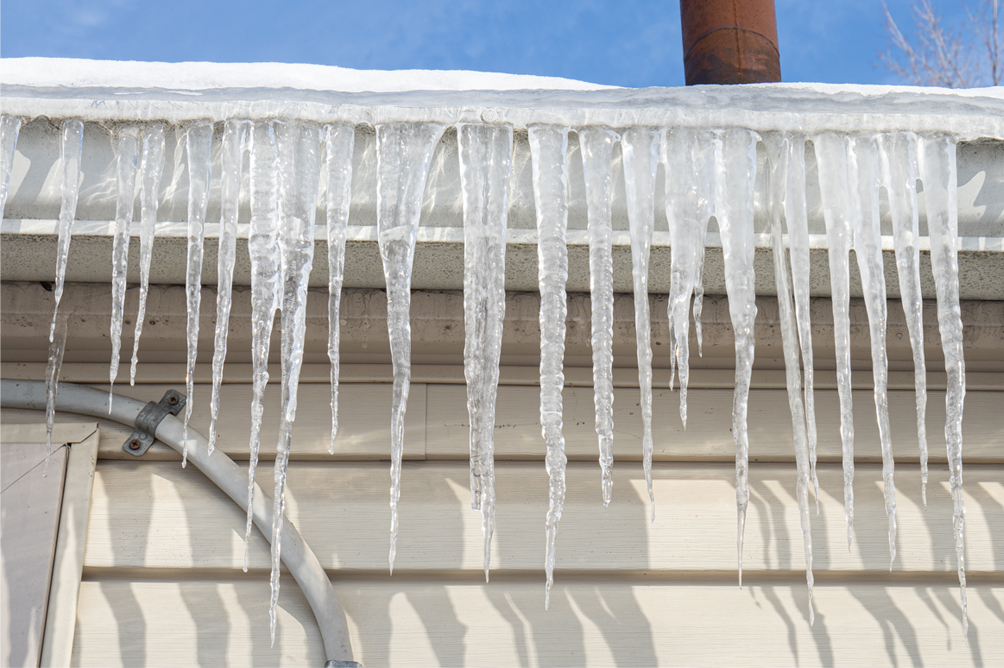
Texas homes are built to shed heat, not hold it — pipes often run through attics, garages and exterior walls. Knock these out on a mild fall weekend and you’ll be ready whenever the cold front shows up.
- Insulate exposed pipes in the attic, garage, crawlspace and along exterior walls with foam sleeves or pipe wrap.
- Cover outdoor faucets with insulated faucet covers, and disconnect and drain garden hoses.
- Find your main water shut-off — and test it. Keep a shut-off key or wrench where everyone in the house can find it.
- Winterize your sprinkler system by shutting it off, draining the lines and insulating the backflow preventer.
- Know your pool equipment — most pool pumps should keep running during a freeze to prevent damage.
- Schedule a heating tune-up and replace HVAC filters before you need the heat.
- Test smoke and carbon monoxide detectors and replace batteries. Add a CO detector near sleeping areas if you don’t have one.
- Have your chimney inspected and swept before the first fire of the season.
- Seal the drafts — weatherstrip doors, caulk windows and close or cover crawlspace and foundation vents.
- Service your generator if you have one, and store fuel safely away from the house.
- Trim trees and branches over the roof, driveway and power lines — ice adds serious weight to limbs.
- Clean gutters and downspouts so melting ice and rain can drain away from the foundation.
- Insulate the well house or pump if your home is on a well.
- Have pet-safe ice melt or sand on hand for steps, walkways and the driveway.
- Water for at least three days — about one gallon per person, per day, plus extra for pets.
- Non-perishable food that doesn’t need cooking, plus a manual can opener.
- Flashlights, extra batteries and a battery-powered radio.
- Blankets, sleeping bags and warm layers for everyone, including hats and gloves.
- Power banks, prescription medications and a first-aid kit.
- Store important documents — policies, IDs, deeds, titles — in a waterproof folder, and scan copies to the cloud.
- Video-record every room for a quick home inventory. Open closets and drawers and say what you’re looking at.
- Save our numbers in your phone so you can reach us quickly if you need to file a claim.
Burst pipes are one of the most common winter claims in Texas. Let’s make sure your policy is ready before the cold arrives.
A freeze is a bad time to learn what your policy says. Every policy is different, so these are good questions to bring to your agent now.
- Burst-pipe water damage: many policies cover sudden water damage from a frozen pipe, but not the pipe repair itself or slow leaks. Know what yours covers.
- Keep the heat on: policies often limit freeze coverage if a home is left unheated, unless the water was shut off and lines were drained.
- Know your deductible — and whether it still makes sense for your budget.
- Additional living expenses: check whether your policy helps pay for a hotel if your home becomes unlivable.
- Equipment breakdown coverage for HVAC systems, water heaters and appliances.
- Food spoilage coverage after an extended power outage.
- Vacant homes and rentals: second homes, rentals and homes between tenants can carry different freeze rules.
- Comprehensive coverage generally handles falling branches and ice on your vehicle.
- Collision coverage matters on icy bridges and overpasses.
- Roadside assistance is worth having when a battery dies in the cold.
Not sure what your policy says? We’ll walk through it with you — in English or Spanish — at no cost.
Watch for National Weather Service alerts. A Winter Storm Watch means dangerous winter weather is possible; a Warning means it’s happening or about to. A Hard Freeze Warning means temperatures will drop low enough, long enough, to burst pipes and damage plants.
- People: check on elderly neighbors and family, and plan where everyone will stay warm.
- Pets: bring pets and outdoor animals inside or into a warm, sheltered space.
- Pipes: let faucets on exterior walls drip — hot and cold — and open cabinet doors under sinks.
- Plants: cover tender plants and move potted plants indoors or into the garage.
- Keep the thermostat steady — no lower than 55°F, day and night, even if you’re leaving town.
- Keep the garage door closed to protect water lines and the water heater.
- Fill a bathtub with water for flushing toilets in case water service is interrupted.
- Charge phones and power banks, and sign up for outage alerts from your utility.
- Fill up your gas tank and keep a blanket and water in the car.
- Pick up medications and any groceries you’ll need for a few days at home.
- Plan to stay put. Bridges and overpasses ice over first — postpone driving if you can.
Most cold-weather injuries happen indoors, from the ways we try to stay warm. Keep these in mind if the power goes out.
- Never heat your home with a gas oven, stovetop, grill or generator. Carbon monoxide is invisible and deadly.
- Run generators outdoors only, well away from windows, doors and vents — never in a garage, even with the door open.
- Space heaters need three feet of clearance, plug directly into the wall and should never be left on unattended.
- Close off unused rooms and gather in one room together to conserve heat.
- Keep the fridge and freezer closed. Food stays colder longer when the doors stay shut.
- Unplug electronics to protect them from a surge when power returns.
- Layer up, stay dry and watch family members for signs of hypothermia.
- Shut off the main water valve right away.
- Turn off electricity to the affected area if you can do so safely.
- Open faucets to drain the remaining water from the lines.
- Call us — we’ll help you start your claim and take the next steps.
Many leaks don’t show up until frozen pipes start to thaw. Take your time and look carefully.
- Turn water back on slowly and watch for leaks under sinks, in the attic and in the garage.
- Look for warning signs — water stains on ceilings and walls, bulging drywall, dripping fixtures or sudden drops in water pressure.
- Inspect the roof, gutters and trees for ice damage and hanging limbs.
- Photograph and video everything before you clean up or throw anything away.
- Take reasonable steps to stop further damage — stop the water, start drying and move belongings — mold can start within a day or two.
- Keep every receipt for repairs, supplies and temporary housing.
- Call us first and file your claim promptly.
- Use licensed, insured plumbers and contractors.
- Be cautious with door-to-door contractors and don’t sign an assignment-of-benefits or contract until you understand it.
Call either office or request a review online. We’re here before, during and after the storm.
Not sure what your policy says? We’ll walk through it with you — in English or Spanish — at no cost.